

Heading out for your first ski trip and not sure what to actually wear? You don't need to be an expert - you just need the right layers, in the right order. Here's the complete beginner's guide.
|
Short answer To dress for skiing, wear three layers: a base layer (moisture-wicking top and bottoms) to keep sweat off your skin, a mid layer (fleece or insulated jacket) for warmth, and a waterproof outer layer (ski jacket and pants) to block snow and wind. Add ski socks, gloves, goggles, a helmet and a neck gaiter, and avoid cotton entirely. This layering system keeps you warm, dry and comfortable all day. |
The 3-layer system at a glance
- Base layer - wicks sweat away from your skin
- Mid layer - traps warmth (fleece or insulated jacket)
- Outer layer - blocks snow and wind (waterproof jacket + pants)
- Never wear cotton - it soaks up sweat and makes you cold. Here's how the whole system fits together:
|
Layer |
Its job |
Good choices |
Avoid |
|
Base layer |
Wicks sweat off your skin |
Merino wool or synthetic top & bottoms |
Cotton tops & leggings |
|
Mid layer |
Traps body heat |
Fleece or light insulated (puffy) jacket |
Bulky, non-breathable layers |
|
Outer layer |
Blocks snow & wind |
Waterproof jacket + pants/bib (15K-20K) |
Regular winter coat |
Why layering matters for skiing?
Skiing is a workout in the cold. You heat up on the way down and cool down fast on the lift, so a single big coat doesn't work - you'd overheat, sweat, then freeze. Layering lets you add or remove clothing to stay comfortable as your temperature and the weather change. Each layer has one job, and together they keep you warm and dry.
Layer 1: The base layer (your foundation)

The base layer sits against your skin, and its job is to pull sweat away from your body so you stay dry and warm. This is the layer beginners most often get wrong.
- Choose moisture-wicking fabrics like merino wool or synthetic (polyester) base layers.
- Wear a long-sleeve top and leggings/bottoms - a matching set is ideal.
- Never wear cotton (no cotton t-shirts or regular leggings). Cotton holds sweat, gets cold and damp, and stays that way all day.
Here's how the common fabrics compare:
|
Fabric |
Wicking & warmth |
Verdict |
|
Merino wool |
Wicks well, warm for its weight, odour-resistant |
Great |
|
Synthetic (polyester) |
Wicks fast, dries quickly, budget-friendly |
Great |
|
Cotton |
Soaks up sweat and stays cold and damp |
Avoid |
Think snug but comfortable - the base layer should fit close to work properly.
Layer 2: The mid layer (your warmth)

The mid layer traps your body heat. How thick it needs to be depends on the weather:
- Cold days: a fleece or a light insulated (puffy) jacket
- Milder days: a thin fleece is plenty
- Very cold days: a thicker fleece, or a fleece plus a light puffy
The beauty of the mid layer is flexibility - you can take it off and stuff it in a pocket if you warm up. On warmer spring days, some skiers skip it entirely.
Layer 3: The outer layer (your shield)

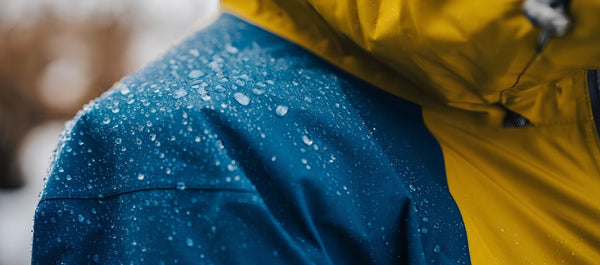
This is what most people picture as “ski clothes” - the waterproof jacket and ski pants (or bib) that block snow, wind and moisture.
- Look for a waterproof rating of 15,000mm-20,000mm to stay genuinely dry. New to that number? See our guide to how to choose a ski jacket.
- Ski pants or bibs keep your lower half dry - bibs add extra coverage and keep snow out at the waist.
- One-piece ski suits are a great all-in-one option (especially popular for kids, and for keeping snow out completely).
- Look for sealed seams, a powder skirt, and vents for the best protection.
Your outer layer doesn't need heavy insulation if your base and mid layers are doing their job - it needs to be waterproof and windproof.
Don't forget the accessories
The layers keep your core warm, but these finish the job - and skipping them ruins a ski day fast:
- Ski socks - tall, thin, moisture-wicking (one pair, not thick cotton socks bunched up)
- Gloves or mittens - waterproof and insulated; mittens are warmer, gloves more dexterous
- Helmet - safety first, and it keeps your head warm
- Goggles - protect your eyes from sun, snow and glare (far better than sunglasses)
- Neck gaiter or balaclava - seals the gap between helmet and jacket
- Hand/toe warmers - cheap, disposable, and a lifesaver on cold days
What NOT to wear skiing
A few quick mistakes to avoid:
- Cotton anything - jeans, hoodies, t-shirts, cotton socks. It gets wet and cold and stays that way.
- Too many bulky layers - you'll overheat and sweat. Go for smart layers, not sheer bulk.
- A regular winter coat - it's not waterproof enough for snow and offers no ventilation.
- Thick or doubled-up socks - they cut circulation and make your feet colder, not warmer.
Quick recap: what to wear skiing
- Base layer - moisture-wicking top and bottoms (no cotton)
- Mid layer - fleece or light insulated jacket for warmth
- Outer layer - waterproof ski jacket + pants (15K-20K)
- Accessories - ski socks, gloves, helmet, goggles, neck gaiter
- Get those four right and you'll be warm, dry and ready to enjoy the mountain.
Frequently asked questions
What should a beginner wear skiing?
A beginner should wear three layers: a moisture-wicking base layer, a fleece or insulated mid layer, and a waterproof ski jacket and pants. Add ski socks, waterproof gloves, a helmet, goggles and a neck gaiter, and avoid cotton entirely.
Can I wear jeans or leggings skiing?
No, avoid jeans and cotton leggings. They absorb moisture and get cold and wet. Wear a moisture-wicking base layer under waterproof ski pants instead.
How many layers should I wear skiing?
Three: a base layer, a mid layer, and a waterproof outer layer. You can add or remove the mid layer depending on the temperature.
What do I wear under my ski jacket?
A moisture-wicking base layer plus a mid layer (fleece or light insulated jacket). On warm days you may only need the base layer.
Is it better to be warm or cool when skiing?
Aim to feel slightly cool when you start; you'll warm up quickly once you're moving. Overdressing leads to sweating, which makes you cold later.
What should I wear skiing if I don't have ski clothes?
At minimum, wear synthetic (non-cotton) base layers and borrow or rent a waterproof jacket and pants. The waterproof outer layer is the part you can't skip - everyday winter coats won't keep snow out.
Want a second opinion? Outdoor retailer REI's what-to-wear guide covers the same layering system, and evo explains waterproof ratings in more depth.
At YEEFINE we make everything you need for the mountain - waterproof ski jackets, insulated pants and bibs, one-piece suits and kids' sets - designed by our own team and made in our own factory, so you get real performance at an honest price.
Related: women's ski wear · men's ski wear · kids ski wear · ski pants · one-piece ski suit
Test