

A ski jacket is the single most important piece of gear you'll buy for the mountain. Get it right and you barely think about it all day. Get it wrong and you're cold, wet, and counting the minutes to the lodge. Here's how to choose well - in plain English.
|
Short answer To choose the right ski jacket, focus on five things: waterproofing (aim for 15,000mm-20,000mm), warmth (insulated for cold days, shell for mild or active skiing), a proper fit with room for layers, key features like a powder skirt and sealed seams, and a price that matches how often you ski. Match the jacket to your conditions and skiing style, and you'll stay warm and dry without overpaying. |
The 5-second checklist
- Waterproofing: 15K-20K for most skiers
- Warmth: insulated for cold, shell for mild/active
- Fit: roomy enough for layers, not baggy
- Features: powder skirt, taped seams, vents, hood
- Price: match it to how often you actually ski
1. Start with waterproofing

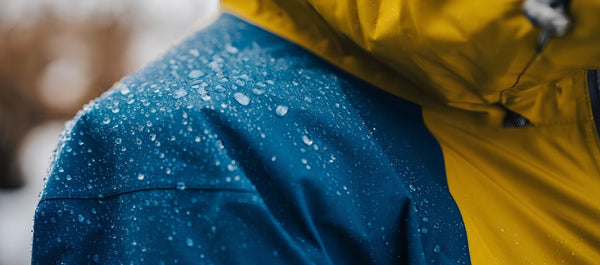
The first job of a ski jacket is keeping snow and moisture out. Waterproofing is measured in millimetres (mm) - the higher the number, the more water pressure it resists.
- 10K (10,000mm): fine for occasional skiers in dry, light snow
- 15K (15,000mm): the ideal all-rounder for most resort days
- 20K (20,000mm): best for heavy, wet snow and long days out
For most skiers, 15,000mm to 20,000mm is the sweet spot - genuinely dry, without paying for extreme specs you'll never test. Also check for fully taped or sealed seams, since unsealed stitching is the first place water sneaks in. New to these numbers? See our guide to ski jacket waterproof ratings, and independent explainers like evo's waterproof ratings guide agree that avid skiers want the 10K-20K range or better.
2. Choose your warmth: insulated vs shell
Ski jackets come in two main types, and picking the right one matters more than any brand name.
Insulated jackets have built-in warmth (synthetic or down fill). They're the easiest choice - warm straight out of the box, ideal for cold resorts and skiers who feel the cold. Best for most recreational skiers.
Shell jackets have little or no insulation. They're waterproof outer layers designed to go over your own mid-layers. They're more versatile (you control the warmth by layering) and better for high-energy skiers who heat up fast or ski in milder climates.
|
Difference |
Insulated jacket |
Shell jacket |
|
Warmth |
Built in |
You add via layers |
|
Best for |
Cold days, casual skiers |
Mild days, active skiers |
|
Versatility |
Simple, warm |
Flexible year-round |
|
Easiest choice? |
Yes |
Needs layering know-how |
If in doubt, go insulated - it's the simplest way to stay warm. Outdoor retailers like REI give the same advice: pick an insulated jacket for warmth, or a shell if you want layering versatility.
3. Get the fit right
Ski-jacket fit is different from everyday clothing. You want it relaxed enough to fit a base layer and mid-layer underneath, but not so baggy that cold air gets in or it catches the wind.
- Raise your arms above your head - the jacket shouldn't ride up past your waist.
- Check the sleeves cover your wrists when your arms are forward (reaching for poles).
- Make sure it's long enough at the back to cover you when you sit on the lift.
When unsure between two sizes, size up slightly for layering room. Always check the brand's size guide, since fits vary.
4. Look for the features that matter
Not every feature is essential, but these are the ones that genuinely improve a day on the mountain:

- Powder skirt - an inner elastic band that seals out snow if you fall. A must for deep snow.
- Adjustable, helmet-compatible hood - fits over a helmet and blocks wind.
- Pit zips (underarm vents) - dump heat fast when you're working hard.
- Sealed/taped seams - stop water getting through the stitching.
- Wrist gaiters - inner cuffs that keep snow out of your sleeves.
- Plenty of pockets - for pass, phone, goggles, and gloves.
- You don't need every feature - but a powder skirt, a good hood, and vents cover the essentials.
5. Match the price to how you ski
Ski jackets range from under $100 to over $700, and more expensive doesn't automatically mean better for you. A lot of that top-end price is brand name, not extra performance.

- Ski a few times a season? A well-made 15K-20K insulated jacket in the $80-$180 range does everything you need.
- Ski often or in tough conditions? Prioritise 20K waterproofing, strong breathability, and durable fabric - but you still don't have to pay $500+ to get it.
The smart move is to look for real specifications at a fair price rather than paying a premium for a logo. Check the waterproof rating, the features, and the reviews - that tells you far more than the brand on the chest.
Quick recap: how to choose a ski jacket
- Waterproofing - aim for 15K-20K with sealed seams
- Warmth - insulated for cold, shell for mild/active
- Fit - roomy for layers, long enough for the lift
- Features - powder skirt, hood, vents, pockets
- Price - match it to how often you ski, not the brand
- Nail those five and you'll have a jacket that performs all season.
Frequently asked questions
What waterproof rating do I need for a ski jacket?
For most skiers, 15,000mm-20,000mm is ideal. 10K works for occasional, dry-weather skiing, while 20K and above is best for heavy snow, wet climates, and long days.
Are insulated or shell ski jackets better?
Insulated jackets are warmer out of the box and easier for casual skiers. Shell jackets are more versatile and better for active skiers who layer. If you feel the cold or want simplicity, choose insulated.
How should a ski jacket fit?
It should be relaxed enough to fit base and mid-layers underneath, cover your wrists when reaching forward, and be long enough at the back to cover you on the chairlift - without being so baggy that cold air gets in.
Do I need an expensive ski jacket?
No. A well-made jacket with 15K-20K waterproofing and the right features will keep you warm and dry for a fraction of premium-brand prices. Much of a high price tag is brand name rather than extra performance.
What features should a good ski jacket have?
Look for a powder skirt, a helmet-compatible adjustable hood, underarm vents, sealed seams, wrist gaiters, and enough pockets for your essentials.
|
At YEEFINE we make insulated and waterproof ski jackets with genuine 15,000mm+ and 20,000mm ratings, powder skirts, and sealed seams - designed by our own team and made in our own factory, so you get real performance without the designer markup. |
Related: waterproof ski jackets · shell jackets · insulated jackets · kids ski wea
Comments
0 Comments