


How Much Do Snow Pants Cost?
A practical budget for snow pants is usually around $100 to $200. Basic resort-ready styles often sit near the lower end, while insulated, highly waterproof or multi-layer technical pants cost more. Premium outerwear can extend well beyond that range.
Within YEEFINE’s current adult range, standalone snow pants start at $99, many insulated and baggy styles fall between $119 and $159, and technical three-layer options reach about $209. The useful question is not simply how much snow pants cost, but which features are worth paying for based on where and how often you ride.
Table of Contents

What Different Price Levels Usually Buy
Price doesn’t increase in a perfectly straight line. Two pairs may cost the same while emphasizing different features: one may include insulation and a regular fit, while another uses a roomier cut, stronger weather protection or more ventilation.
Around $99: practical resort basics
At this level, prioritize fit, secure closures and boot compatibility before looking for a long list of technical features.
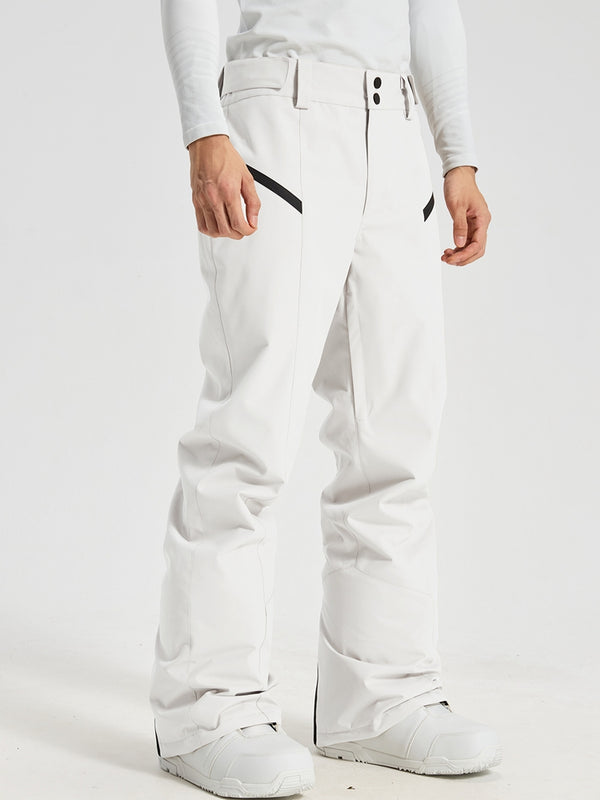
The Men’s Utility Snow Pants – Regular Fit with Zippered Pockets cost $99 and include an adjustable double-snap waist, zippered storage, mesh thigh vents and boot-friendly ankle zips. This kind of construction covers the everyday needs of riders who want functional snow pants without moving into a more technical price tier.
A lower price doesn’t excuse poor fit. If the waistband slides down, the knees restrict movement or the cuffs don’t sit correctly over boots, saving money at checkout won’t improve the day on the mountain.
From about $119 to $159: more warmth and specialized details
This range includes many insulated pants, cargo styles, oversized fits and designs with reinforced cuffs or more developed ventilation.
The Men’s Insulated Ski Pants – Cargo Pocket & Adjustable Waist cost $119. They add lightweight insulation, reinforced inner cuffs, an adjustable waist, zippered hand and cargo pockets, and long ankle zips.
Other pants in this bracket may spend the budget differently. A baggy snowboard style might prioritize leg volume, vents and large pockets, while a streamlined ski pant may put more attention into the waistband and lower-leg shape.
Around $159 to $209: technical shell construction
The upper part of the range is where three-layer shells, higher waterproof ratings and more complex weather protection become common. These pants are aimed at riders who face wetter snow, spend more days outside or need a shell that works with different insulation layers.
Paying more makes sense when the added construction solves a real problem. A technical shell can be valuable in wet conditions, but it may not improve comfort for someone who skis only a few calm resort days each year.

What Makes One Pair More Expensive?
A higher price may reflect fabric construction, insulation or smaller details that take more work to build. It can also reflect branding and styling, so price alone doesn’t reveal how well the pants suit a particular rider.
Waterproof and Breathable Construction
More protective fabrics and multi-layer shells usually increase cost. Seam construction also matters because moisture can enter through stitching even when the main fabric resists water.
A high waterproof rating is useful for wet snowfall, deep snow and frequent sitting or falling. Dry, cold resort conditions may not require the same level of protection.
Breathability becomes more important when riding involves hiking or sustained effort. Paying for strong waterproofing without considering moisture from inside the pants can leave an active rider uncomfortable.
Insulation
Insulated snow pants combine weather protection and warmth in one garment. They simplify dressing for cold resort days but may cost more than a basic shell.
The value depends on how often that insulation is needed. Someone who consistently rides in cold conditions may avoid purchasing several separate mid-layers. A rider who spends most days in mild weather could get more flexibility from shell pants and adjustable layers underneath.
Ventilation
Thigh vents require additional zippers, construction and finishing. They’re useful for active snowboarding, warmer days and changing mountain conditions.
They matter less when the rider rarely overheats. A feature that remains closed all season shouldn’t be the main reason to increase the budget.
Cuffs and Reinforcement
The inner cuff regularly touches ski edges, boot hardware, bindings and rough ground. Reinforced panels can slow down wear in this area.
Ankle zips and adjustable hems also affect how the pants fit over boots. These are small details, but they can provide more everyday value than an extra pocket or decorative panel.
Bib Construction
Snow bibs often use more material and add suspenders, torso coverage and additional closures. That can increase the price, although bibs are not always more expensive than regular snow pants.
The extra cost is worthwhile for riders who regularly deal with snow entering at the waist or pants slipping during movement. If those problems don’t occur, a standard waistband may be simpler and less bulky.

What Should a Beginner Actually Budget?
For one short trip, spending more on technical construction may not improve the experience enough to justify the difference. A $99 pair used for three days works out to $33 per day. If the same pants are worn for ten days across several trips, the cost falls below $10 per day.
A beginner buying snow pants for occasional resort use can reasonably start around $99 to $129. Put that budget into a secure waist, enough room to move over a base layer and cuffs that fit the boots being used. Features such as three-layer construction, very high waterproof ratings and extensive ventilation become easier to value after the rider knows which conditions and riding style they prefer.
Rental can still make sense for a single trip when outerwear is available locally. Buying becomes more practical once another trip is likely, since a familiar pair removes one sizing variable and can be worn with the same base-layer setup each time.
Regular Riders Should Pay for Durability and Range
Someone riding several times each winter will notice small construction differences more quickly than an occasional visitor.
Reinforced cuffs become relevant after repeated contact with ski edges. Waist adjustment is useful when layer thickness changes through the season. Ventilation extends the comfortable range from cold mornings into warmer afternoons.
This doesn’t mean every regular rider needs $200 snow pants. Many styles between $119 and $159 already combine insulation, vents, adjustable features and useful storage. Spend beyond that when wet weather, high annual use or a preference for technical shell construction justifies it.
The products in our best-selling snow pants and bibs collection currently range from straightforward cargo pants to insulated and three-layer designs, making it easier to compare where the price increase is going.

Don’t Pay Extra for Features You Won’t Use
More pockets sound useful until they’re filled with items that swing against the legs or become uncomfortable on the chairlift. Large cargo storage is helpful for some snowboarders, while skiers who keep essentials in a jacket may prefer a cleaner design.
Heavy insulation isn’t an automatic upgrade. It can reduce the need for layers in cold weather, but it may also make spring riding uncomfortable.
An especially high waterproof rating has the most value when the pants regularly encounter wet snow or prolonged moisture. Riders in colder, drier conditions may get more practical benefit from a better fit, secure cuffs or ventilation.
Style also has value, but it should be treated separately from performance. If two pairs meet the same functional needs, choosing the preferred color and silhouette is reasonable. Problems begin when appearance hides a poor fit or unsuitable construction.
Compare Cost Per Season, Not Just the Price Tag
A $99 pair worn for one short trip may be perfectly sensible. A more durable $159 pair used for many days across several winters may cost less per outing.
Before buying, estimate:
-
How many days the pants will be worn each season
-
Whether most days are cold and dry or mild and wet
-
How often the rider sits or falls in snow
-
Whether insulation is needed most of the time
-
Whether the same pants must handle both skiing and snowboarding
-
Which areas of previous pants wore out first
That final question is especially useful. Damaged cuffs point toward reinforcement. Frequent overheating makes vents more valuable. Snow entering at the waist may justify moving from pants to bibs.
Set the budget after identifying those problems. Paying for one feature that gets used every day is usually more worthwhile than paying for five impressive specifications that never affect the ride.


Comments 0
Leave a comment